What happens if you make an eight-page product detail page and tell every page the same thing — “Show the product's strengths”? You get the same product drawn eight times with only the background changed. Somssii Series did exactly that at first. When we went through 15 product detail page series, not a single shot helped you gauge the product's size, and a five-page pet food landing page showed the food bag five times without a single pet in sight.
So now we decide each page's job first. And we give that same job not only to the image step but also to the writing step. When we attached it only to the image side, it clashed with the scene descriptions written earlier, and not one of the four assigned jobs made it into the result.
Product detail page — a 3-second hook, persuasion, trust
The first page is the hero shot (cover) and the last page is the closing. The pages in between take on these jobs, in order:
- Problem — shows, as a real scene, the everyday hassle this product takes away. The product sits at the edge of the frame as ‘the answer that's coming.’ The headline, too, speaks to the reader's situation rather than the product.
- The part that solves it — a close-up of the one part that fixes the hassle (a lock, a handle, a fold), captured at the moment it works.
- Proof — held in a hand or placed next to an object of known size so you can gauge its scale, with the material and finish clearly visible. Figures such as size, capacity and material are used only if they're written in the request — never made up.
- In use — the person who would own the product, in the place and at the moment they'd actually use it.
- Storage — where it sits when not in use (a pocket, a bag, a stand).
- What changes — side by side in one frame with the thing it replaces. No competitor names are used.
The fifth and sixth jobs exist because of the maximum page count (8). With only four jobs, an 8-page series cycled through them twice, and the same close-up appeared twice with just the background swapped.

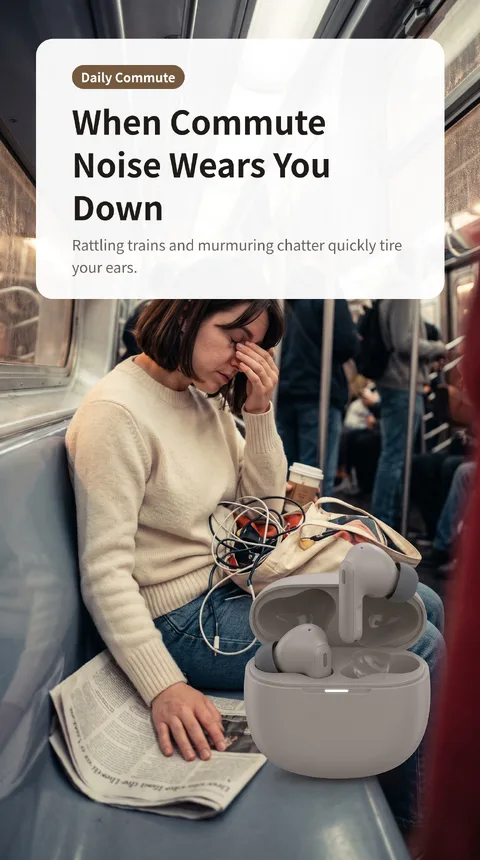
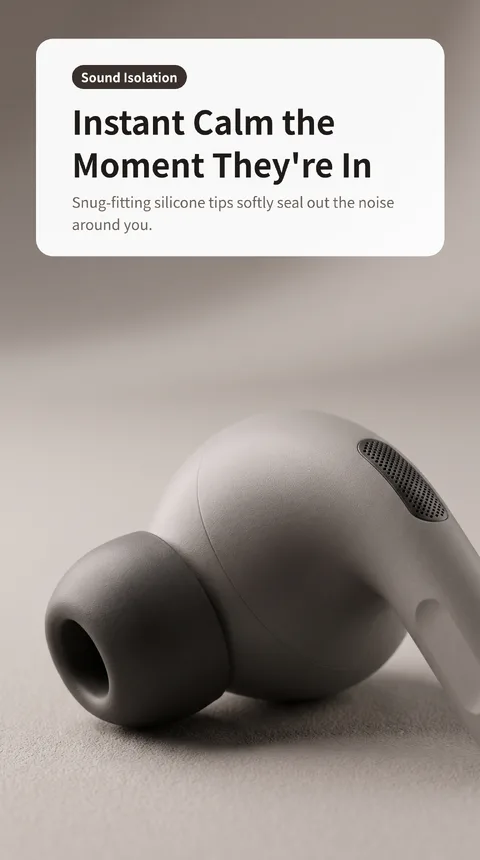
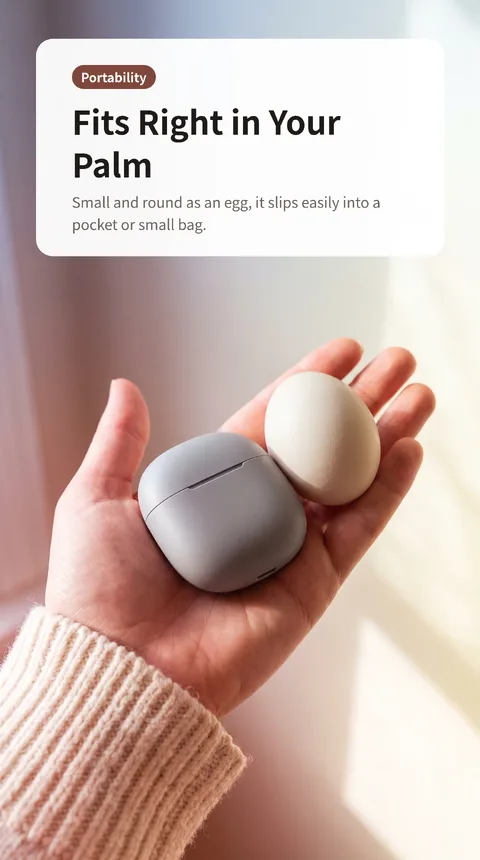

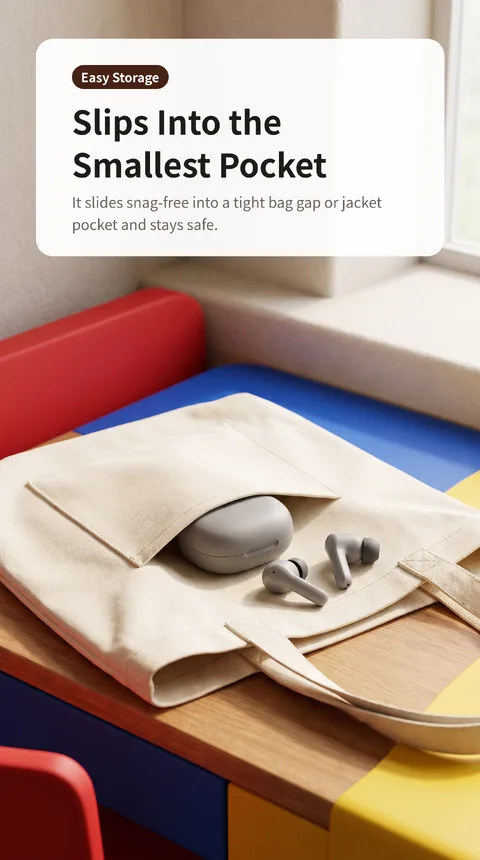
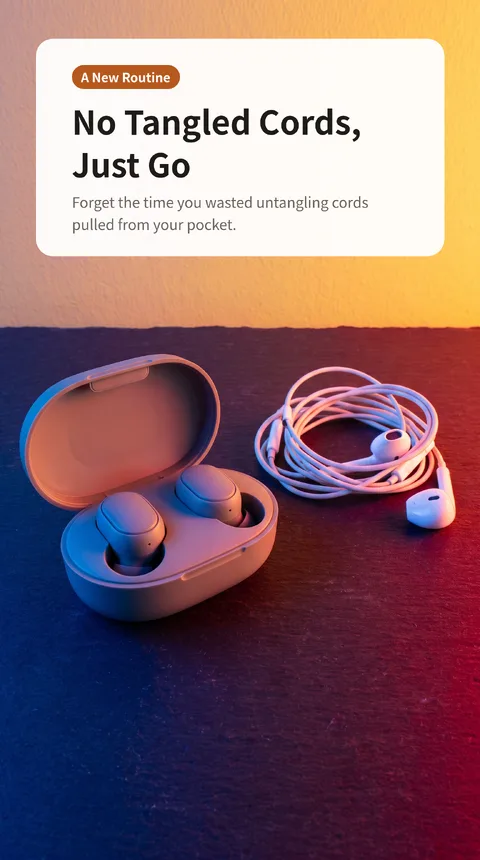
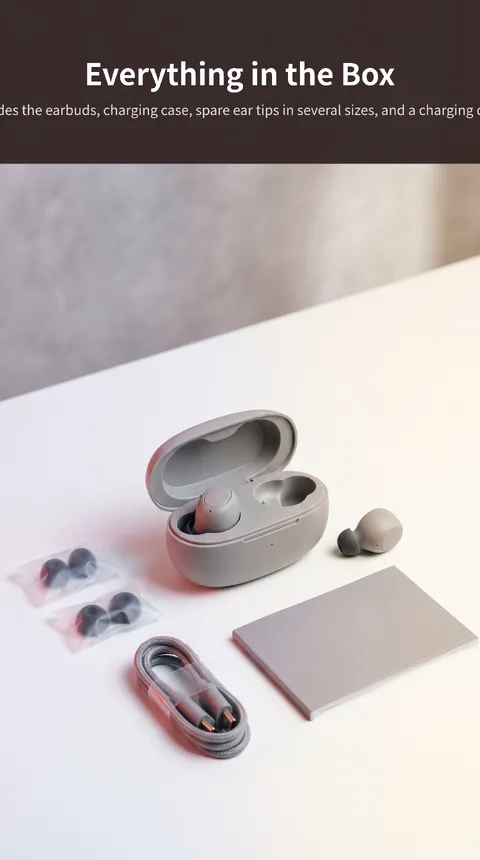
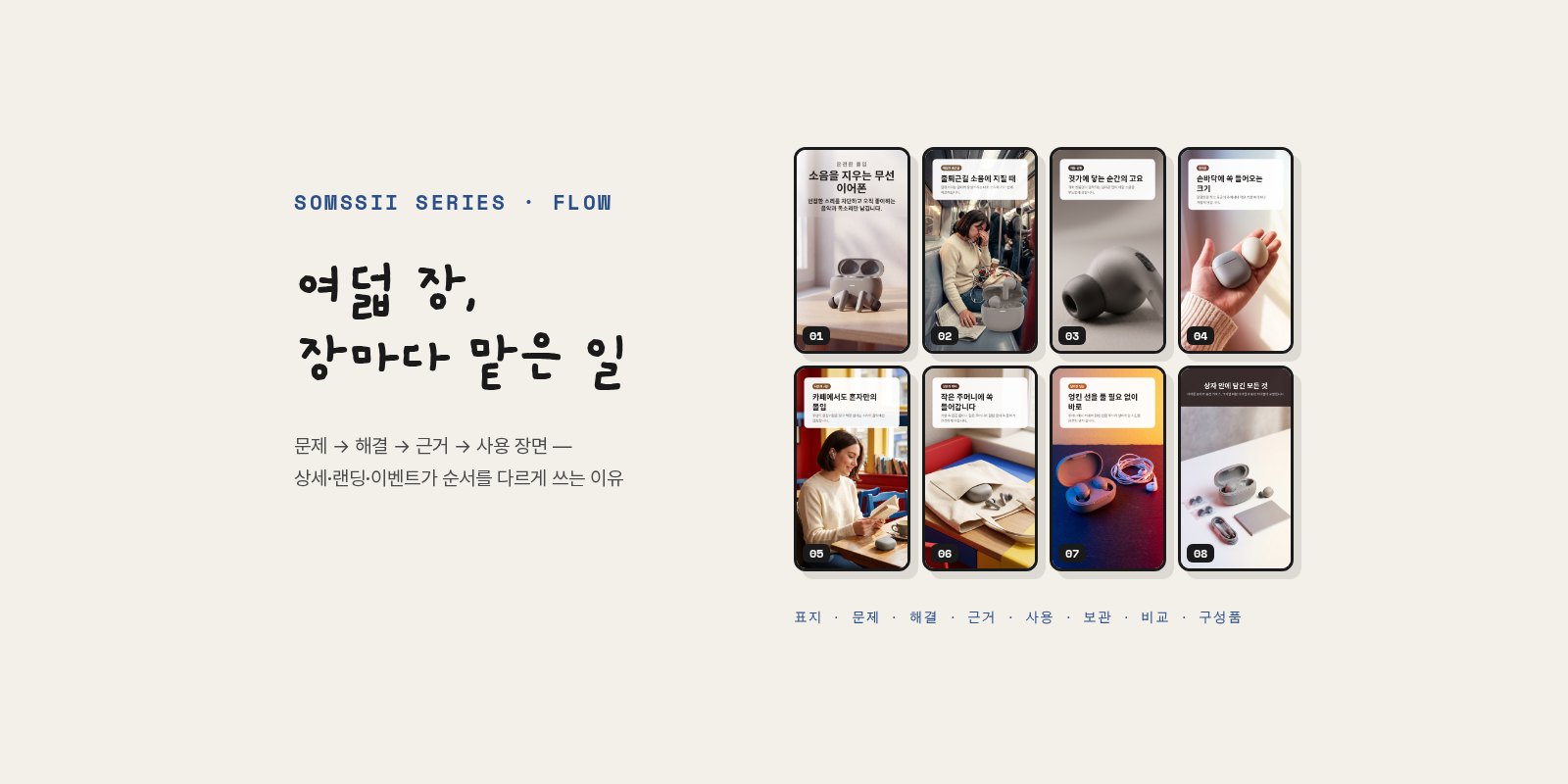
The wireless earbuds detail page above follows that exact order — worn out by commute noise (problem), a close-up of the ear tip touching the ear (the part that solves it), its size on a palm (proof), absorbed in a café (in use), a pocket inside a bag (storage), next to tangled wired earphones (what changes), and the box contents (closing).
Landing page — persuasion starts with the problem
A landing page exists to collect sign-ups. The cover says what it is and gives one reason to join within 3 seconds, and the middle pages take on, in order: ① the hassle it removes, ② the moment the promise comes true — with the person or animal it happens to in the frame, and ③ a better day after joining. The last page shows the first step as an easy, calm scene, and its headline says what to do next.
Here's how the pet food landing page mentioned earlier actually changed. Same topic — before assigning jobs (top) and after (bottom).

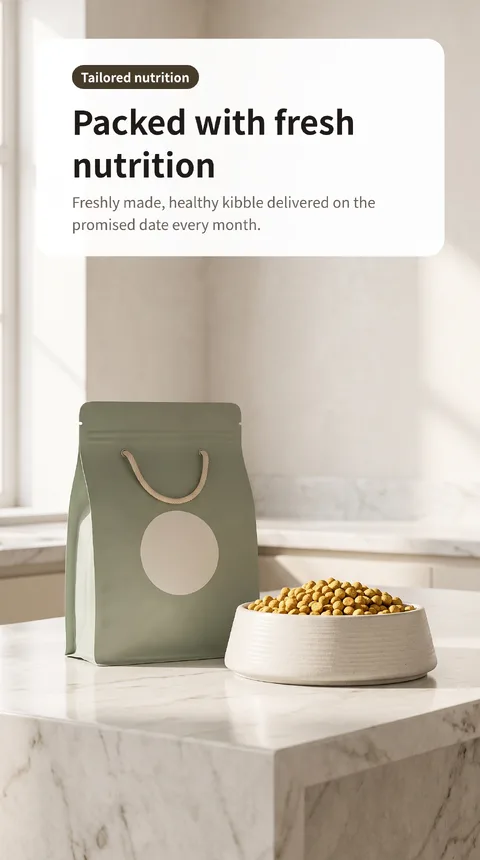
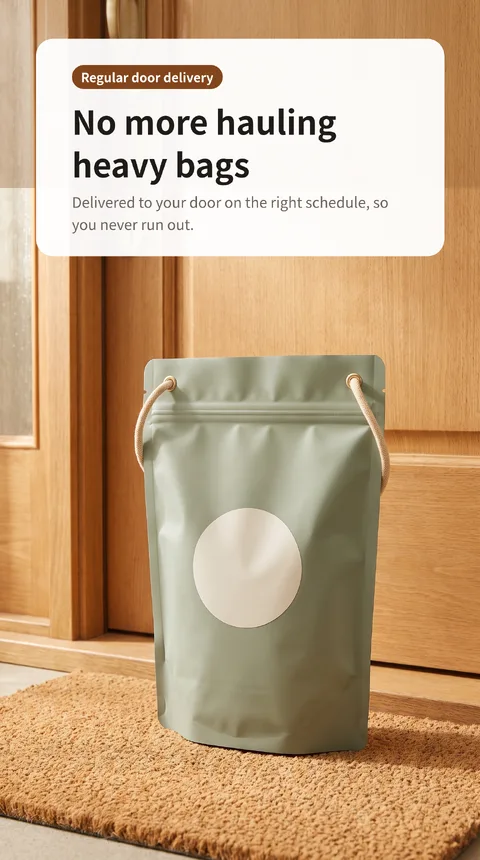
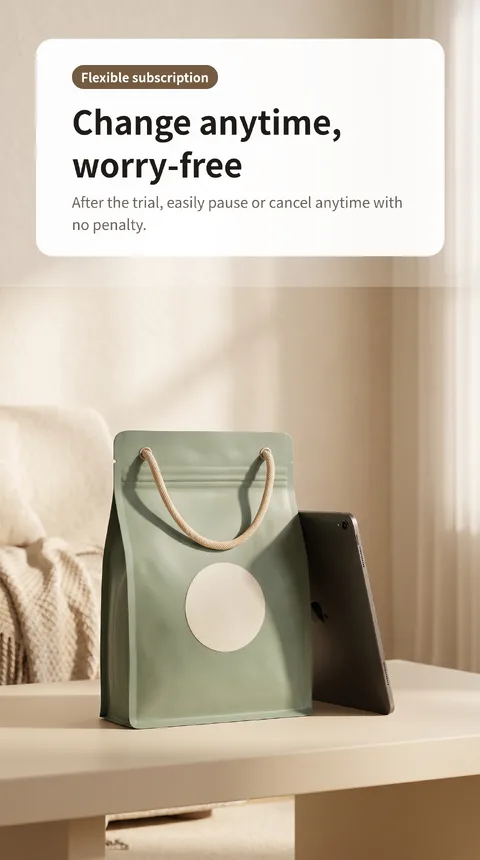
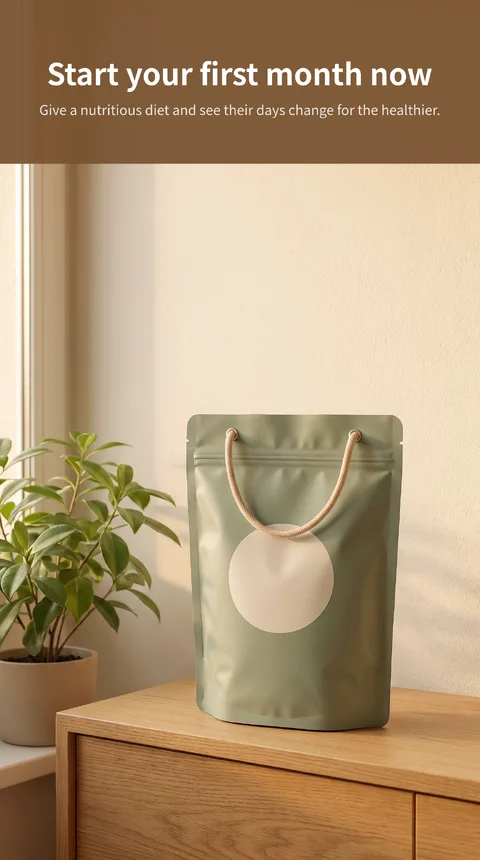
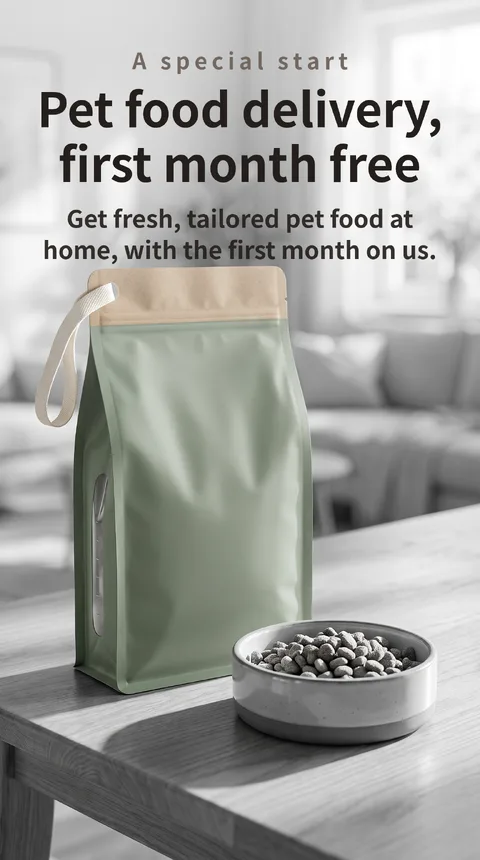
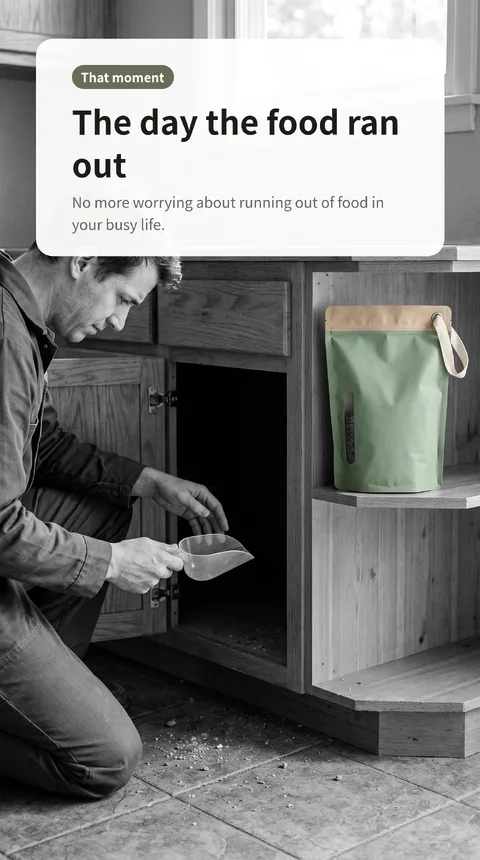
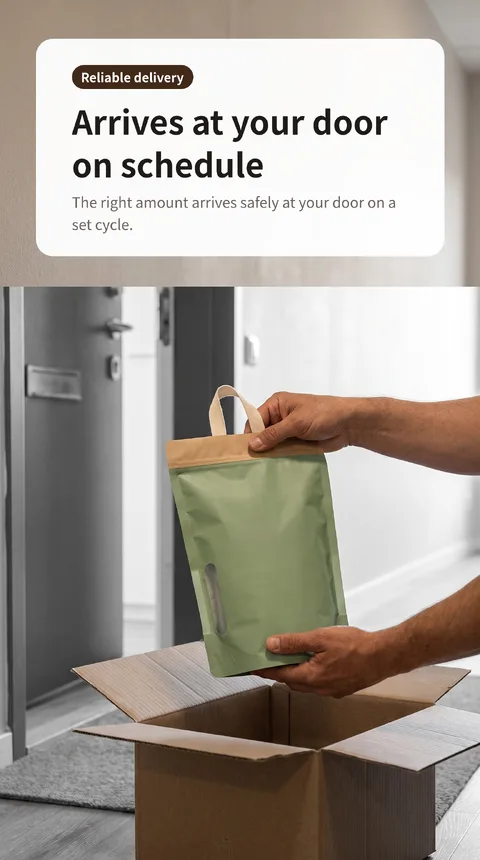
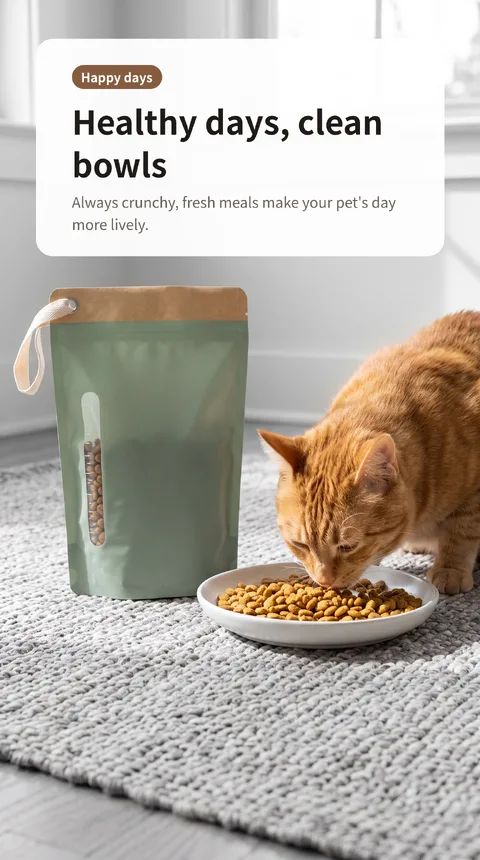

The top one just shows the bag five times; you can't see what changes. The bottom one walks through the reader's decision steps one page at a time: the day you panic because the food ran out → the moment it arrives at your door → a cat emptying its bowl → signing up.
Event page — announcements start with what you get
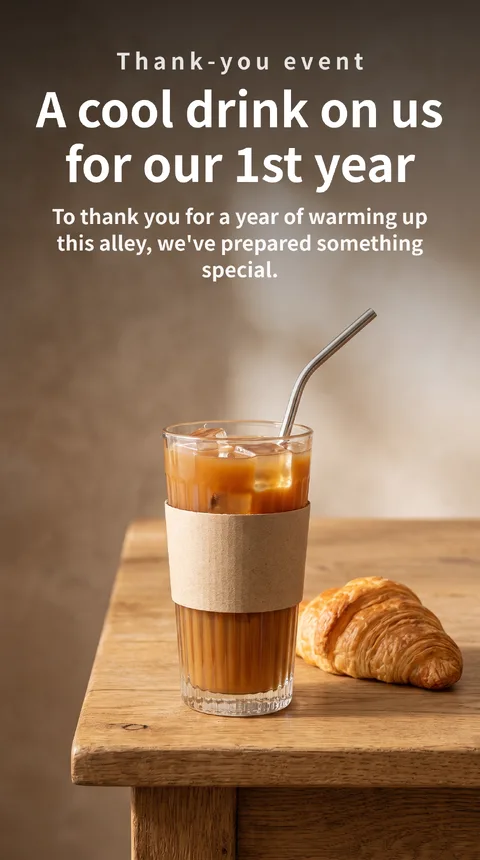
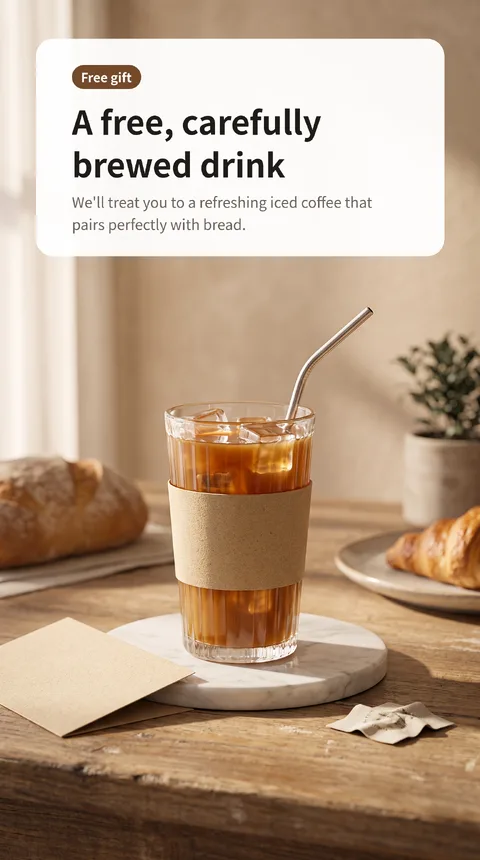
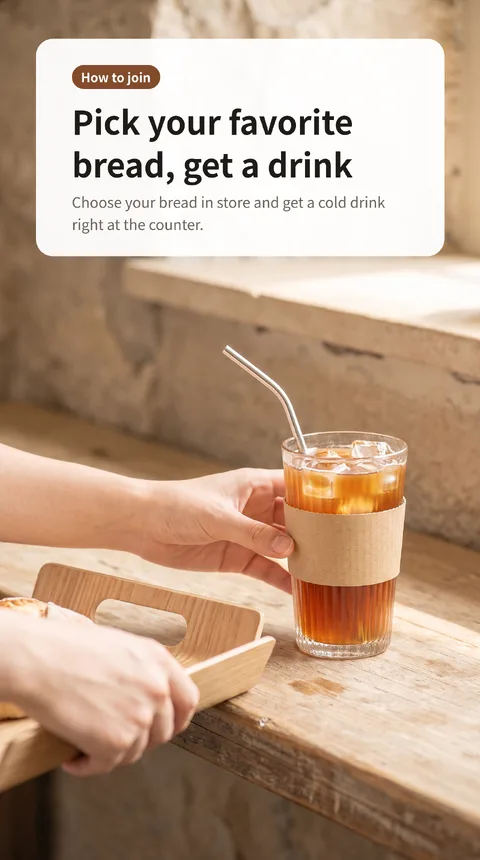
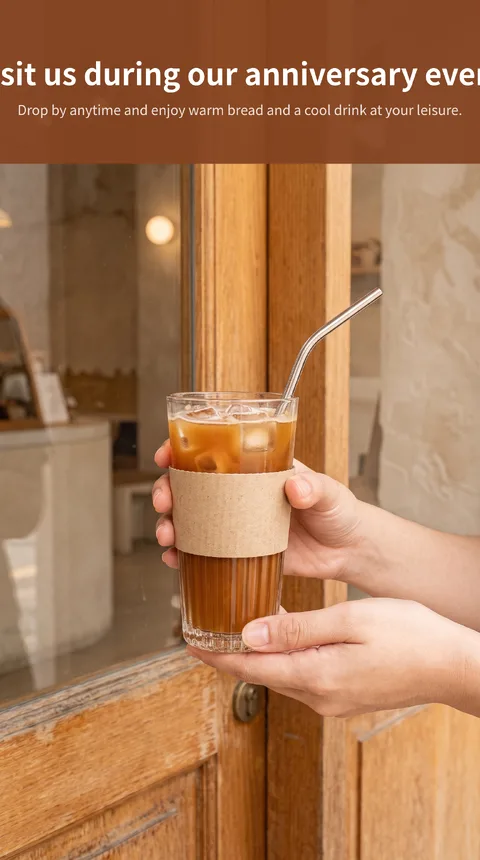
An event page is there to announce, so the order is different. The cover states the event together with its best perk, and the middle pages cover ① what you take home (free gifts, discounts, free drinks), ② the action of joining in (choosing, scanning, collecting a stamp, ordering), and ③ the atmosphere while the event is on. The last page gives how to join and the deadline — if the request has no dates, no dates are made up.
Originally, ‘Event · Landing page’ was a single type. But a landing page persuades, so it starts with the problem, while an event page announces, so it starts with the perk. Mixed into one type, the section order got jumbled and both ended up half-baked, so we split them in two.
Company profile — one side of the company per page
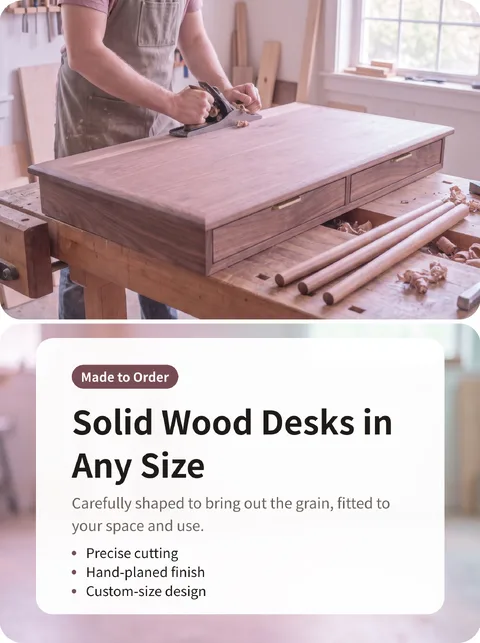
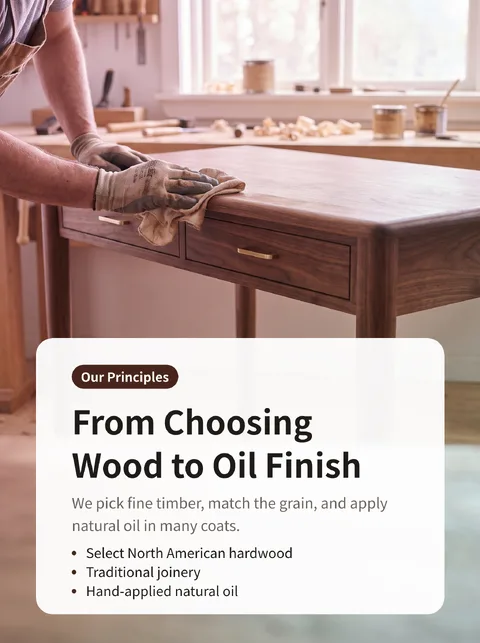
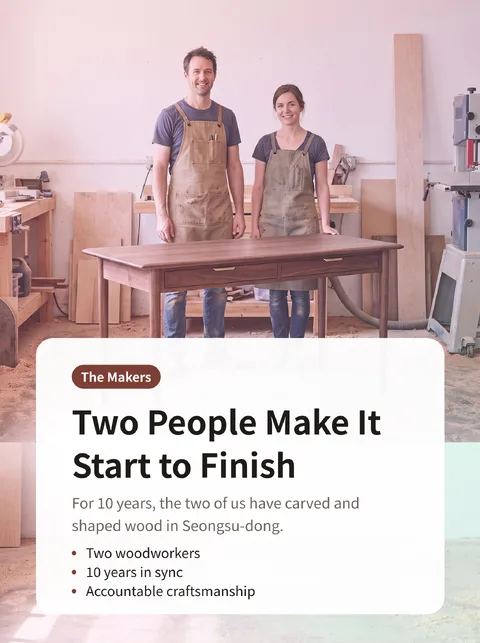
Company profiles · proposals are bundled into a PDF like catalogs, but each page covers something different. Following the order of a real company profile, each page is assigned one of what we do → how we work → our people → our track record → where we are. Without a different job for each slot, all six pages would end up as photos of ‘people working in an office.’ Numbers and addresses are never made up if they aren't in the request.

Summary — one page, one decision step
Each page in a series isn't ‘a different angle of the same product’ — it handles one of the reader's decision steps. Thinking this way also makes choosing a type easy: to get people to buy, a product detail page; to get them to sign up, a landing page; to get them to come by, an event page; to introduce your company, a company profile.